
Expanding into new markets, audiences, or geographies is one of the most energising phases in a company’s journey. It’s bold, it’s high-impact – and it’s a proven way to unlock rapid scale at almost any stage.
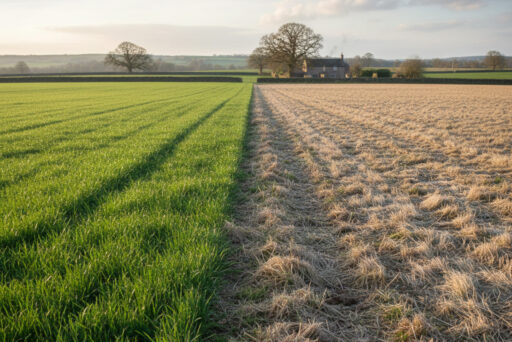
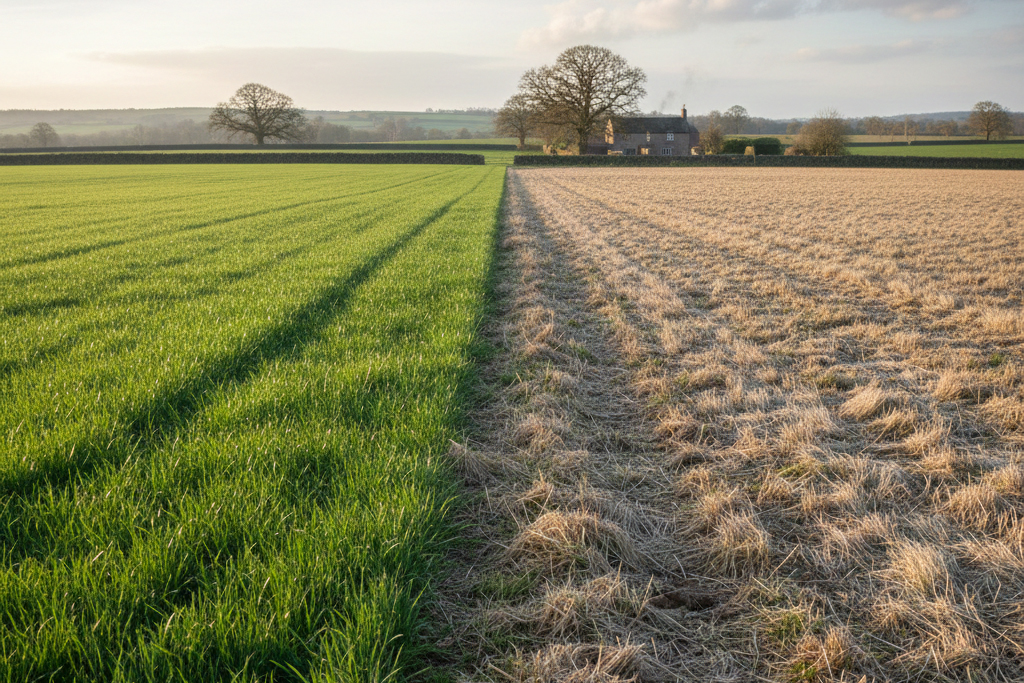
Borrowing a term from real estate, I refer to this as greenfield growth – that which comes from entering previously untapped space, whether that’s new to the market as a whole, or simply new to you.
When Monzo moved from the UK to the US, that was greenfield growth. When Shopify shifted upmarket to service enterprise clients, that was greenfield growth. And when Tesla stepped beyond luxury EVs to mass-market models, that was greenfield growth.
Across industries, you’ll find no shortage of brands that have accelerated revenue by venturing into fresh territory. It isn’t cheap, it isn’t effortless – but when the proposition aligns tightly with the new audience, it can be transformative.
But here’s the pattern I see when I’m brought in to support brands that feel stuck: they’re often coming down from the high of greenfield growth. They’ve launched product after product, broken into region after region – and now the once-vibrant green grass has thinned out.
The truth is, you can’t build long-term growth on the “new” alone. As exciting as it is for creative founders and ambitious teams, the pace, cost, and energy simply isn’t sustainable for most businesses.
For consistent, resilient growth, you need a balance of the new (greenfield) and the established (brownfield). Greenfield growth delivers spikes. Brownfield growth delivers the stability.
When Microsoft bundled Teams within Office 365, that’s brownfield growth. When Starbucks launched its loyalty app, that’s brownfield growth. When Nike releases new Air Jordan colour ways, that’s brownfield growth.
And just as we’ve seen brands chase the extraordinary spikes of COVID, companies built solely on greenfield growth often end up in a cycle of pressure and panic. More importantly, they typically take far longer to reach profitability – and, as a result, become far less attractive to investors or buyers.
The businesses that scale sustainably are those that respect both sides: the excitement of expansion and the discipline of optimisation. The ambition to chase what’s next and the commercial maturity to strengthen what already works.